- Flooring
Flooring Deals & Clearance in Montana: How to Get the Best Value Without Getting Burned
March 27, 2026
Butte sits at nearly 5,600 feet above sea level, making it one of the highest cities in the contiguous United States. That elevation is not just a geographic footnote — it means freeze-thaw cycles that crack concrete slabs, heating seasons that strip indoor humidity down to desert levels, and subfloor conditions that punish the wrong flooring choice fast. Before you get excited about any flooring deal, that’s the context every Montana homeowner needs.
The good news is that clearance and outlet flooring, bought the right way, is one of the smartest moves a Butte or Bozeman homeowner can make. Pierce Flooring Outlet is the only outlet-priced flooring store in Montana with full in-house installation — no subcontractors, two locations, a century of Montana roots. We carry in-stock deals on luxury vinyl plank, carpet, hardwood, laminate, tile, and more at both locations, and our team knows this climate inside out. Ready to find the right floor at the right price? Call Now to Check Current Clearance Inventory.
Why Montana Homes Are Harder on Flooring Than Most Salespeople Will Tell You
Most national flooring chains train their staff on generic installation specs. Montana does not play by generic rules.
The Soil and Subfloor Reality
Butte’s geology tells the whole story. “The Richest Hill on Earth” earned that nickname from over a century of copper mining, and the residual effect on local soil and construction is real. Many homes in Uptown Butte, Walkerville, and the Flats sit on compacted, mineralized ground with poor drainage. Older concrete slabs in these neighborhoods absorb and release moisture through the heating and cooling cycle in ways that newer construction in, say, Arizona simply does not experience.
In practical terms, that means adhesive failure is a genuine risk if you skip a proper moisture barrier assessment under any glue-down or floating floor product. Tile installations in older Butte homes frequently show grout cracking not from bad workmanship but from frost-heave beneath the slab. The subfloor moves, the grout does not.
Bozeman brings its own complications. South Bozeman’s rapid development has produced a lot of slab-on-grade construction in neighborhoods like Story Mill and the Legends area. Snowmelt in March through May pushes moisture against those slabs seasonally. Without a proper vapor barrier, even good waterproof LVP can telegraph that moisture as a bubbling or lifting issue within two or three years.
Humidity: The Number That Drives Every Decision
Butte’s relative humidity averages 55 to 65 percent annually, but that number masks the seasonal extremes that actually damage floors. In July, a hot day with a northwest breeze can drop relative humidity to 30 to 35 percent. By January, indoor heating season routinely drives interior humidity below 25 percent without a humidifier running.
The National Wood Flooring Association recommends keeping indoor humidity between 35 and 55 percent for solid hardwood floors. Butte homes in winter routinely fall below that range. That gap is the reason solid hardwood gapping, cupping, and cracking is more common here than the product specs suggest. It is not a defective floor. It is an unmanaged climate problem that the floor makes visible.
Engineered hardwood typically tolerates a wider indoor RH range — often 25 to 75 percent depending on the manufacturer — making it a more forgiving choice for Butte’s low-humidity heating seasons. More on that in the product section below.
Bozeman runs slightly more humid due to the Gallatin Valley geography, but the principle is the same. Invest in a good hygrometer before you invest in hardwood, and know your home’s actual seasonal range.
Temperature Swings and Material Behavior
Butte’s winters regularly hit minus 20 degrees Fahrenheit. That level of cold affects not just comfort but flooring performance. Luxury vinyl plank, for example, has a thermal expansion coefficient that causes it to expand and contract with temperature. Most LVP installed in climates like ours needs larger expansion gaps at walls and transitions than the manufacturer’s minimum spec suggests.
📍 Local Insight — Pierce Flooring Outlet Team: In Walkerville and the Uptown Butte historic district, subfloor moisture readings consistently run 15 to 20 percent higher than the rest of the city, particularly in homes with original stone or brick foundations. Before we recommend any product for those installs, we always run a full moisture barrier assessment first. Skipping that step is the fastest way to turn a deal into an expensive problem.
Which Clearance Floors Actually Make Sense for Montana Homes?
Here is where most articles get vague. Let’s be specific about what each major clearance category offers, where it earns its place, and where it does not.
As the team at Pierce Flooring Outlet puts it: “Clearance flooring gets a bad reputation it doesn’t deserve. Most of what we move through the outlet is discontinued colorways or end-of-run inventory from the same mills that supply the big design centers. The product quality is identical. You’re paying less because the name changed or the collection got refreshed, not because anything is wrong with the floor.”
Luxury Vinyl Plank: The Montana Workhorse
LVP clearance deals at the outlet level are genuinely excellent for Montana homeowners because the product category is well-suited to the climate in ways that hardwood is not. The core is dimensionally stable, the wear layer is impervious to pet traffic and wet boots, and the waterproof construction handles snowmelt and bathroom splash without warping.
For clearance LVP, the key specification to verify is wear layer thickness and AC rating. A 12-mil wear layer (typically AC3 rated) is appropriate for low-to-moderate residential traffic like bedrooms. A 20-mil or higher wear layer (AC4 or AC5) belongs in entryways, mudrooms, and any room that sees outdoor boots from October through April. Most clearance LVP at the outlet level is discontinued colorways from major manufacturers, which means the wear layer specs are identical to current-run product. Ask to see the product spec sheet before you buy.
One honest caution: LVP expands and contracts with temperature. In a Montana garage conversion or sunroom where temps swing significantly, floating LVP (installed without adhesive, clicked or loose-laid over the subfloor) can buckle if the expansion gaps are inadequate. Those rooms sometimes call for a glue-down installation, but only in a fully conditioned space — meaning the room is heated consistently, not just occasionally. Most pressure-sensitive LVP adhesives require a minimum application and service temperature of 65°F. In an unheated Montana garage, glue-down LVP will fail. If the space isn’t reliably conditioned year-round, consult with the Pierce team about substrate-specific options before committing to any product.
Waterproof Laminate: The Budget-Stretcher That Works in Dry Rooms
Waterproof laminate clearance (products built on a waterproof WPC or SPC core, distinct from older water-resistant laminate with a wood-fiber core that swells under prolonged exposure) is the right answer for bedrooms, living rooms, and dining areas in Montana homes where you want a hardwood aesthetic at a fraction of the cost. The core is denser than standard laminate and resists moisture from surface spills better than older laminate products.
What waterproof laminate does not do is handle subfloor moisture from below. If your Bozeman slab has seasonal moisture migration, waterproof laminate is not the correct call for that application, regardless of the deal. The waterproof claim refers to surface moisture, not vapor transmission from the subfloor up.
For dry main-level installations in homes with solid subfloors, clearance waterproof laminate is one of the best value plays in the outlet. You get the visual warmth of wood, reasonable durability, and genuine savings on material cost.
Engineered Hardwood: The Right Compromise in Montana
Solid hardwood is a beautiful, long-lived product. It is also the most humidity-sensitive floor you can buy in a climate where indoor humidity swings from 25 percent in January to 70 percent in June. For most Montana homes, engineered hardwood clearance strikes the better balance. The cross-ply construction resists dimensional movement better than solid wood, and its wider acceptable RH tolerance — often 25 to 75 percent depending on the manufacturer — means it handles Butte’s low-humidity heating seasons with fewer cupping or gapping issues than solid wood.
Clearance engineered hardwood is often available in discontinued colors or widths. Wide-plank engineered hardwood is particularly common in outlet inventory because design trends cycle faster than most homeowners realize. A 5-inch oak plank that was fashionable three years ago is functionally identical to current product and often priced 30 to 50 percent lower in clearance.
Carpet: Where Clearance Truly Shines
Carpet clearance and remnant deals are underappreciated. Bedrooms, home offices, basement rec rooms, and stairs represent the highest-value application for clearance carpet in Montana homes — remnant sizes work especially well for smaller rooms and stairways where material needs are modest. The installation cost is relatively fixed, so the savings on material translate directly to project cost savings.
For Montana’s climate, look for carpet with solution-dyed nylon fiber. Solution-dyeing makes the color permanent through the full fiber depth, which means it resists both UV fade from long summer days and the cleaning chemicals used on pet stains. Frieze and textured cut-pile carpets hide traffic patterns better than loop pile in high-use family spaces.
Montana Clearance Flooring: Quick Comparison
| LVP | Waterproof Laminate | Engineered Hardwood | Carpet | |
|---|---|---|---|---|
| Best for Montana? | ✅ Excellent | ✅ Good (dry rooms) | ✅ Good | ✅ Bedrooms / Stairs |
| Handles slab moisture? | ✅ Yes (with barrier) | ⚠️ Surface only | ⚠️ Needs assessment | ✅ Yes |
| Montana humidity tolerance | High | Medium | Medium–High | High |
| Clearance value rating | ⭐⭐⭐⭐⭐ | ⭐⭐⭐⭐ | ⭐⭐⭐⭐ | ⭐⭐⭐⭐⭐ |
This was my second experience at Pierce and the place is amazing. I bought flooring last year and carpet this year. The prices are excellent and the service is amazing. Highly, highly recommended.
Heather P.
What Flooring Actually Costs in Butte and Bozeman, MT
Pricing varies by product, subfloor condition, and project complexity. Here are realistic installed cost ranges for Montana in 2025 to 2026, using outlet and clearance pricing where applicable.
“The biggest mistake we see people make is buying clearance flooring without accounting for waste,” says the team at Pierce Flooring Outlet. “In a Montana home with angled walls, alcoves, or a complex layout, you need 10 to 15 percent overage minimum. Buy enough on day one, because you cannot go back for more clearance product once it’s gone.” As a practical example: a 300 square foot living room with a diagonal layout or multiple doorways needs at least 330 to 345 square feet ordered. Clearance inventory cannot be reordered, so buying enough on day one is the rule without exception.
| Flooring Type | Material (per sq ft) | Labor (per sq ft) | Total Installed | Montana Notes |
|---|---|---|---|---|
| Clearance LVP | $1.50–$3.50 | $2.50–$4.00 | $4.00–$7.50 | Add $1.00–$2.50/sq ft for vapor barrier with taped seams on older Butte slabs |
| Waterproof Laminate (clearance) | $1.00–$2.50 | $2.00–$3.50 | $3.00–$6.00 | Suitable for main-level dry applications only |
| Clearance Engineered Hardwood | $3.00–$6.00 | $3.00–$5.00 | $6.00–$11.00 | Subfloor prep common in Butte older homes, budget $1–2/sq ft additional |
| Clearance Carpet + Pad | $1.50–$3.50 | $1.00–$2.00 | $2.50–$5.50 | Pad quality matters; do not cut here |
| Clearance Porcelain Tile | $2.00–$5.00 | $4.00–$7.00 | $6.00–$12.00 | Frost-thaw in slab requires uncoupling membrane in some installs |
Several factors drive price variation specific to Montana. Subfloor preparation is more common and more costly in Butte’s older housing stock than in newer Bozeman construction. Seasonal labor demand peaks in spring and early summer as contractors clear their backlog after winter. Material freight costs in Montana are higher than the national average, which is one reason local outlet inventory provides genuine savings: the logistics are already absorbed.
If the installed total feels out of reach, Pierce Outlet’s 0% financing converts a $3,000 project into a manageable monthly payment with no interest. Explore 0% flooring financing at Pierce Outlet →
Ready to see what’s in stock? Current clearance inventory changes weekly. Call the Butte or Bozeman store today for a real-time availability check. Butte: (406) 494-3313 | Bozeman: (406) 586-8234 Check Current Clearance Deals and Special Buys →
How to Actually Live With a Clearance Floor: The Montana Maintenance Reality
The deal is done. The floor is installed. Now the real work begins, and in Montana, that means seasonal maintenance that most flooring guides written for national audiences skip entirely.
Winter: Protect Against Dry Air and Tracked Snow
When the heating season runs full tilt from October through March, your home’s indoor humidity drops. For solid hardwood floors, keeping a whole-home humidifier running and maintaining interior humidity between 35 and 55 percent — the range the National Wood Flooring Association recommends — prevents the gapping and cracking that leads homeowners to blame the floor when the real culprit is the air. Engineered hardwood is more tolerant of low-humidity conditions, but the same humidifier habit extends its life considerably. A basic hygrometer from any hardware store tells you where you are.
Use moisture-absorbing entry mats at every exterior door. Rock salt and ice melt used on Montana walkways and roads contain chloride compounds that attack adhesive bonds and finish layers if tracked in and allowed to dry on the floor. Shake mats weekly during snow season.
Spring: Manage Snowmelt Moisture
March through May is the period when basement slabs and slab-on-grade floors in Bozeman and Butte see the highest moisture pressure. If you have LVP or laminate on slab, inspect transitions and edges in spring for any lifting or separation. Catching this early means a simple adjustment. Ignoring it means a full section replacement.
The Maintenance Mistake That Shortens Montana Floor Life
Wet mopping. Steam cleaning. Both are common, both damage flooring in ways that void most manufacturer warranties, and both are especially problematic in Montana because the dry winter air means the excess water sits on the surface longer than the finish is designed to tolerate. For luxury vinyl, use a damp — not wet — microfiber mop and a pH-neutral cleaner applied sparingly. Engineered hardwood follows the same principle: a lightly dampened, never wet, microfiber mop only, with no pooling water at seams or edges.
For clearance carpet in high-traffic Montana homes — pets, kids, hunting season foot traffic — schedule professional hot water extraction cleaning every 12 to 18 months to preserve fiber structure and extend the floor’s useful life.
Hosting Culture and Floor Durability
Both Butte and Bozeman have strong gather-at-home cultures. Big family holidays, hunting season gatherings, football weekends at Montana Tech or MSU. If your home hosts these events, finish matters as much as material. Aluminum oxide finish on hardwood and high-mil wear layers on LVP hold up to heavy foot traffic. Glossy finishes show scratches faster than matte or satin options. A showroom team member can walk you through which specific clearance products carry the best real-world durability ratings for your traffic situation.
I can’t recommend Pierce Flooring enough. Their selection is huge, and we were thrilled to find so many great deals on beautiful flooring that was actually in stock—no waiting weeks for an order! The best part of our experience was our sales rep, Leah. She was fantastic—knowledgeable, friendly, and not pushy at all. She helped us find the perfect flooring for our home. Great products and even better service!
Michael S.
How to Vet a Flooring Installer in Montana (And Why It Matters More Than the Deal)
The floor is only as good as the installation. A quality clearance product installed wrong costs more in the long run than a mid-range product installed correctly. Here is what to look for when vetting any installer in the Butte or Bozeman area.
Ask About Subfloor Assessment Before Any Quote
A legitimate flooring installer assesses your subfloor before giving a price. That means walking the space, identifying high or low spots (standard tolerance is 3/16 inch over 10 feet for most floating LVP and laminate floors; tile installations follow a tighter TCNA-recommended tolerance of 1/8 inch over 10 feet), and checking for squeaks, soft spots, or previous water damage. If an installer gives you a firm quote over the phone without seeing the floor, that is a gap in professionalism that often shows up as surprise charges on installation day.
What a Proper Moisture Test Looks Like
Before any hardwood, engineered wood, laminate, or glue-down LVP installation, a proper moisture test is not optional in Montana. The test involves either a calcium chloride test (ASTM F1869) or an in-situ RH probe test (ASTM F2170) on concrete slabs. The reading determines whether a vapor barrier is needed and what type. Skipping this step is the single most common installer shortcut that leads to floor failures within 12 to 24 months.
Pierce Flooring Outlet’s licensed and insured installation team runs moisture assessments as part of the pre-installation process. They carry the equipment and know how to read the results for Montana’s specific soil and climate conditions.
Red Flags to Watch For
Be cautious of any quote that includes no in-person site visit, no mention of subfloor preparation, or warranty language that excludes moisture-related claims without defining what that means. Vague warranty language protects the installer, not you.
Ask specifically: “What is your protocol if you find a moisture reading above manufacturer’s recommended level?” A quality installer has a clear answer. A problematic one deflects.
Pierce Flooring Outlet is a member of the National Flooring Alliance and carries licensed and insured installation teams across Montana. You can schedule a free flooring estimate in Butte or Bozeman or explore 0% flooring financing at Pierce Outlet to plan your full project budget.
Pierce Outlet’s licensed in-house installation teams serve Butte and Bozeman — no subcontractors, no guesswork. Get a Free Flooring Estimate →
Frequently Asked Questions: Flooring Clearance Deals in Montana
How much does it cost to get clearance flooring installed in Butte or Bozeman?
Total installed cost for clearance LVP in Montana typically runs $4.00 to $7.50 per square foot, including material, labor, and vapor barrier where needed. Clearance carpet with pad generally installs for $2.50 to $5.50 per square foot. Engineered hardwood clearance runs $6.00 to $11.00 installed depending on subfloor prep requirements. A 200 square foot bedroom project at the lower end of those ranges represents a realistic budget of $800 to $1,100 all-in.
My Butte home has an older concrete slab. Will clearance flooring work?
Yes, but subfloor prep and moisture assessment are non-negotiable first steps. Older slabs in Butte, particularly in Uptown and the Flats neighborhoods, often carry higher moisture readings than newer construction. Floating LVP with a proper vapor barrier is the most forgiving product for these conditions. Glue-down hardwood or tile on an older slab requires moisture remediation first if readings are above manufacturer thresholds.
How long does a clearance flooring project take from consultation to finished floor?
A standard residential installation on in-stock clearance product typically completes in one to three days for most room configurations. The pre-installation phase — subfloor assessment, product acclimation for hardwood and engineered products, and layout planning — usually adds one to three additional days before the install crew starts. Total timeline from initial visit to finished floor is typically one to two weeks depending on scheduling. Explore current services and timelines at Pierce Outlet installation services in Butte and Bozeman.
How do I know when a clearance floor needs replacing rather than repairing?
For solid hardwood, if the board has been sanded down past the point where enough material remains above the tongue — generally less than 3/4 inch total board thickness — refinishing is no longer viable. For engineered hardwood, the veneer thickness (typically 2 to 6mm) determines how many times it can be refinished; most can handle one to two sandings. For LVP, if wear-through has reached the print layer in high-traffic areas, replacement is more cost-effective than patching. For carpet, matting that does not recover with cleaning means the fiber structure is gone — schedule professional hot water extraction first, and if that doesn’t restore the pile, it’s time to replace.
Is clearance flooring actually the same quality as regular stock?
The most common misconception is that clearance means defective. In the flooring industry, most clearance and outlet inventory is discontinued colorways, end-of-run lots, or overstock from manufacturer production runs. The product itself — wear layer, core construction, and performance specs — is typically identical to current-run inventory. Warranty terms on clearance product can vary by manufacturer, so ask a Pierce team member to confirm coverage details for any specific SKU before you purchase. The difference in availability is real: once it is gone, it is gone, which is why buying with adequate overage on day one is essential. Check current flooring clearance deals and special buys to see what is in stock this week.
Ready to Get the Best Flooring Value in Montana? Here Is Your Next Step.
The most useful thing you can do right now is visit the showroom with your room measurements in hand. Not a vague estimate. Actual measurements. The Pierce Flooring Outlet team can match your square footage against current clearance inventory, identify the right product for your specific subfloor conditions, and calculate exactly how much you need with proper Montana overage factored in.
You can also use the room visualizer at pierceoutlet.com to see how different clearance products look in a room before you commit. And if the upfront cost is the concern, explore 0% flooring financing at Pierce Outlet to spread the project cost without carrying interest.
Pierce Flooring Outlet has been part of the Pierce family — Montana’s largest flooring dealer, in business for over a century — and both locations carry the same licensed and insured installation teams and The Pierce Promise (our guarantee of licensed installation, honest pricing, and post-install support) that back every project we take on. Outlet pricing does not mean outlet service.
Butte Location 800 Dewey Blvd, Butte, MT 59701 Toll Free: 800-288-8943 | Local: (406) 494-3313
Bozeman Location 8334 Huffine Ave, Bozeman, MT 59718 Toll Free: 800-726-8234 | Local: (406) 586-8234
Stop in any day this week. No appointment needed. Current clearance inventory moves fast, and the right deal for your project is worth confirming now rather than later.
- Best Value
- Clearance
- Deals
You Might Also Like
-
- Flooring
August 16, 2026
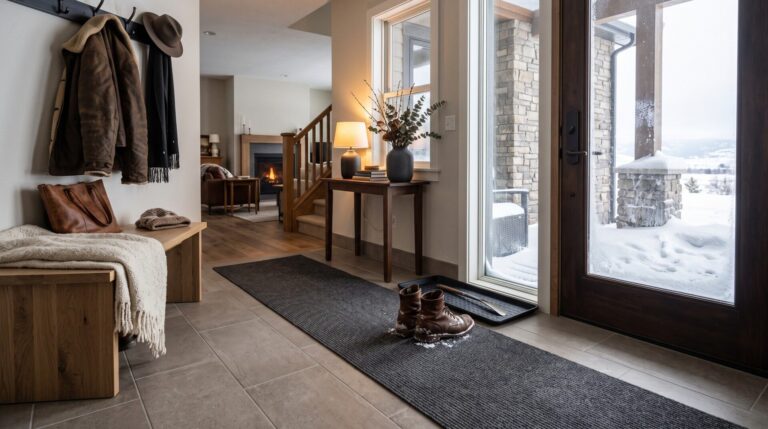
The Best Mudroom and Entryway Flooring for Montana Winters
-
- Flooring
August 12, 2026
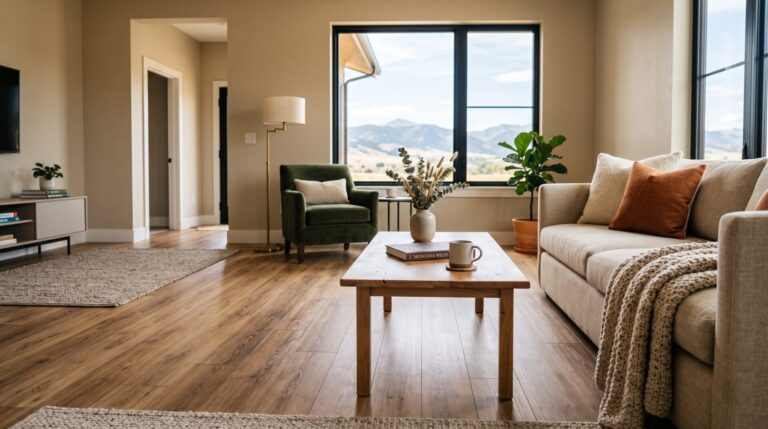
Best Flooring for Rental Properties in Bozeman: A Landlord’s Guide
-
- Flooring
July 29, 2026
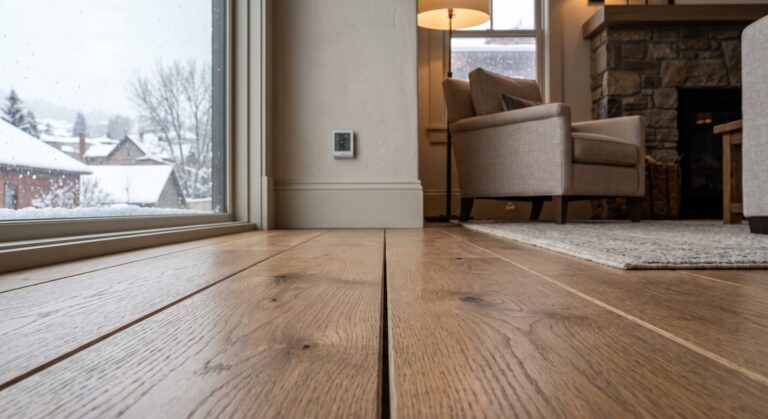
Why Do Hardwood Floors Get Gaps in Winter? Montana’s Dry Climate Explained
Looking for Great Flooring Deals & Expert Service?
Save Big With Montana’s Trusted Flooring Experts