- Flooring
Why Wholesale Flooring Contractors in Montana Choose Pierce Carpet Mill Outlet
March 18, 2026
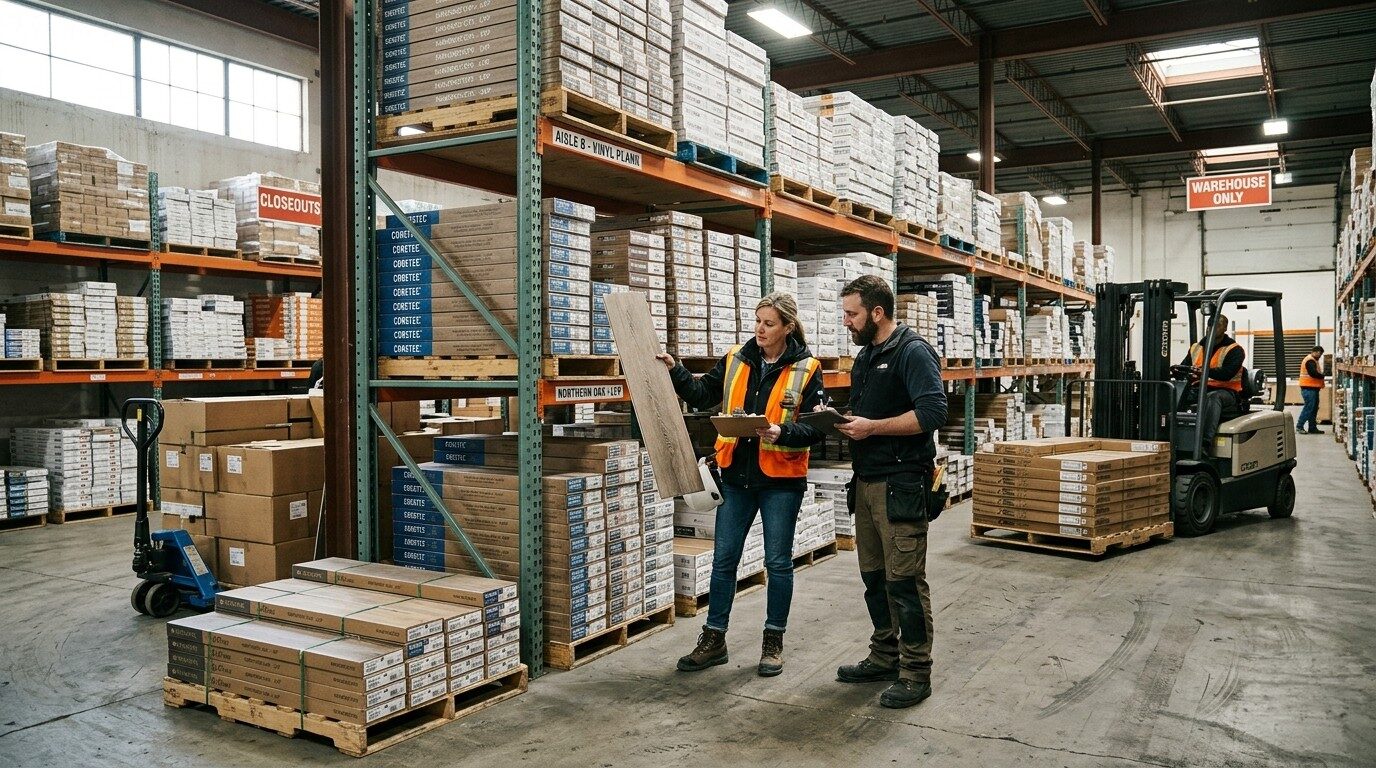
Montana contractors have a problem most flooring suppliers don’t want to talk about: 12-week lead times on products that need to be installed next month. In a state where a Butte winter can shut down a job site for days and a Bozeman condo development moves faster than expected, waiting on flooring is not an option. That’s why more construction professionals across Montana are sourcing their flooring through Pierce Carpet Mill Outlet — not because it’s the most convenient option, but because it’s the most reliable one.
Pierce Carpet Mill Outlet carries in-stock inventory across every major flooring category at two Montana locations: 800 Dewey Blvd in Butte and 8334 Huffine Lane in Bozeman. When a GC calls on Thursday needing LVP for a 12-unit rental build starting Monday, that kind of inventory depth matters. Browse our flooring inventory or call (406) 494-3313 (Butte) / (406) 586-8234 (Bozeman) to check current stock.
Why Montana’s Climate Makes Flooring Selection a Technical Decision
Most flooring sales reps will tell you what looks good. Fewer will tell you what survives here.
Butte sits at 5,538 feet of elevation with a semi-arid continental climate. Average annual precipitation runs around 12 inches — most of it falling as snow, which means months of indoor heating that drives relative humidity below 20% in winter. In summer, temperatures swing between the mid-30s at night and the mid-80s during the day. That thermal range creates constant expansion and contraction pressure on any wood-based product.
The soil underneath older Butte homes compounds the challenge. Much of Butte-Silver Bow County sits on mining-disturbed ground with compacted clays and fill material that does not drain predictably. Slab-on-grade construction in these areas is prone to seasonal moisture migration through the concrete — not flooding, just the slow vapor transfer that causes adhesive failure under glue-down installations and cupping in engineered hardwood over time.
Bozeman presents different challenges. The Gallatin Valley sees heavier snowmelt and higher spring humidity than Butte, and newer construction in the Belgrade corridor frequently involves concrete subfloors over radiant heat systems. Flooring installed over radiant heat requires tighter dimensional tolerances. Products that perform beautifully in a Phoenix condo can gap badly in a Bozeman townhome by February.
Pro-Tip Callout — Pierce Carpet Mill Outlet Flooring Team In older Butte homes, especially near the Flats and the Uptown district, we routinely see concrete subfloor moisture readings that exceed manufacturer installation thresholds — even in homes that appear completely dry. Before any glue-down or floating installation on a concrete slab in this city, run a calcium chloride moisture test or an in-situ RH probe. It takes 72 hours and it has saved contractors thousands in warranty callbacks.
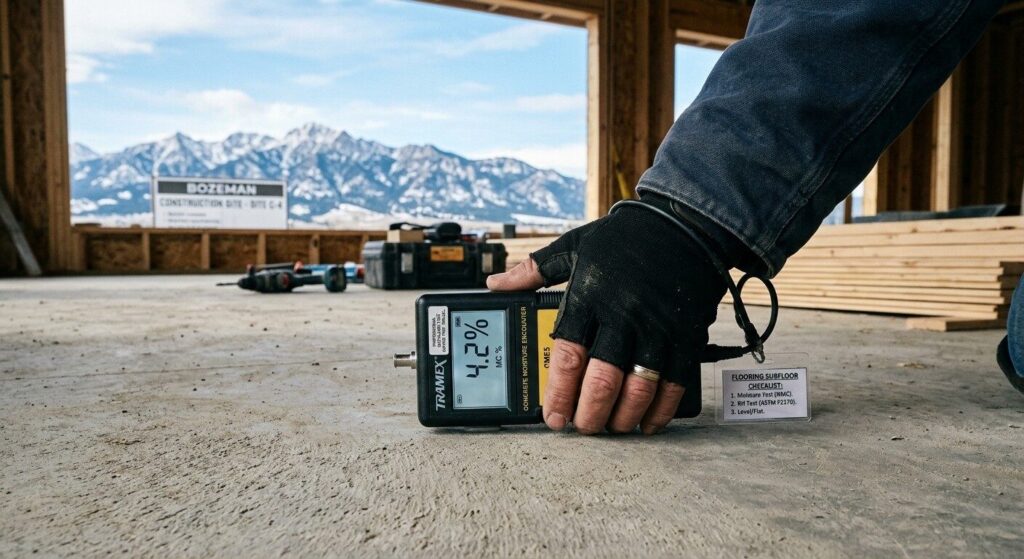
According to the Resilient Floor Covering Institute (RFCI), LVP and SPC flooring products have specific acclimation and subfloor flatness requirements that, when ignored in high-altitude, low-humidity environments, lead to edge gapping and click-lock separation within the first heating season. This is not a product defect. It is an installation variable that experienced local contractors know to test for before the first plank goes down.
The Contractor’s Product Guide: What Actually Works in Montana Builds
Not all flooring performs equally in Montana job conditions. Here is a practical comparison of the categories contractors purchase most frequently, with honest notes on what each does and doesn’t do well in this climate.
Luxury Vinyl Plank (LVP) and SPC Flooring
LVP has become the dominant material in Montana multifamily and light commercial builds for good reason. It is 100% waterproof at the surface layer, tolerates job-site foot traffic during other trades’ work, and installs over minor subfloor imperfections that would disqualify hardwood. SPC (Stone Plastic Composite) takes that a step further: its rigid limestone-based core holds dimensionally stable in the temperature swings that loosen standard vinyl’s click joints over a heating season. For Bozeman rental builds, Belgrade spec homes, and any commercial project where moisture exposure is realistic, SPC is the 2026 standard.
The honest caveat: SPC still telegraphs subfloor flatness problems. The RFCI recommends no more than 3/16″ variation over a 10-foot span. In older Butte builds with uneven concrete, that means grinding or self-leveling compound before installation — a cost contractors sometimes omit from their bids until after the material is already down.
Engineered Hardwood
Engineered hardwood is the correct choice for above-grade residential applications where the client wants wood and the subfloor is plywood. Its cross-ply construction handles Montana’s dry winters better than solid hardwood, which can gap visibly when indoor humidity drops below 25% without a humidifier running. Brands like Anderson Tuftex, Mohawk, and Kahrs — all stocked at Pierce — use multi-ply cores that resist the cupping and crowning failures common in single-season installs.
Do not specify engineered hardwood on any concrete slab without a tested vapor barrier. The NWFA is clear on this: below-grade and on-grade wood installations require a complete moisture management plan before the adhesive touches the concrete.
Carpet
Carpet remains the volume leader for residential bedroom builds, hospitality projects, and commercial office spaces. For high-traffic multifamily corridors, solution-dyed nylon is the material that holds color and withstands the cleaning protocols building managers actually use. For bedroom-only specs, a mid-grade polyester or SmartStrand blend delivers comfort at a price point that works on tight residential budgets.
In Butte’s mining-legacy neighborhoods, older homes with concrete basements see carpet damage from vapor migration through unfinished slabs. Pet-resistant and moisture-resistant padding specifications matter here more than most markets. Pierce stocks carpet cushion alongside carpet so contractors can spec both in a single order.
Tile and Natural Stone
Porcelain tile is the commercial contractor’s workhorse for entries, bathrooms, kitchens, and any space that will see snow-tracked boots and mop-water daily. For Montana ski-adjacent residential builds, large-format porcelain (24×24 and larger) is increasingly specified because it has fewer grout lines to seal and clean. The NTCA (National Tile Contractors Association) recommends a minimum 95% mortar coverage on all exterior-adjacent tile installations in freeze-thaw climates — Butte and Bozeman both qualify, and an installer who quotes less than that coverage is cutting a corner that will cost the client in cracked tiles within two winters.
Laminate
Waterproof laminate has improved significantly and works well in above-grade applications where budget is a primary constraint. It is not a substitute for SPC on slabs, and it is not warranted below grade by most manufacturers. Use it in bedrooms, living rooms, and second-floor applications where subfloor conditions are predictable.
Extremely satisfied from start to finish!! Charles was great in helping us select the carpet for our bonus area, along with great communication throughout the process. Sherry was friendly and efficient with scheduling, and Randy & Randy we’re awesome to work with on the install. They were a consciousness and hardworking team who did a very nice job. Highly recommend Pierce!!
Milinda P.
What It Actually Costs: Montana Contractor Pricing Guide
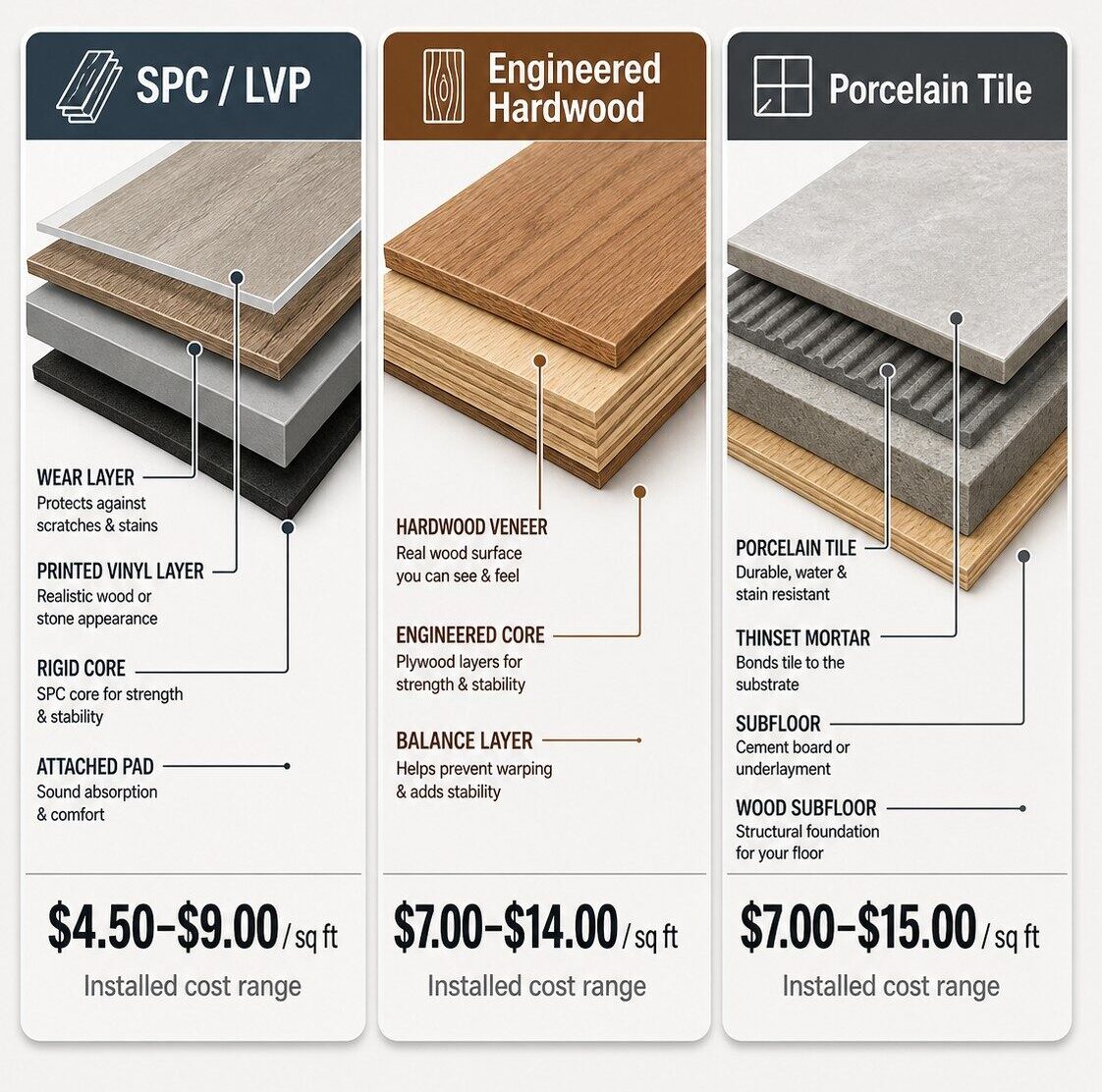
Pricing in Montana’s flooring market reflects regional labor costs, material freight to a landlocked mountain state, and the subfloor preparation work that most national pricing estimates ignore. The table below reflects installed cost ranges for contracted projects sourced locally through Pierce Carpet Mill Outlet. Ranges reflect standard residential and light commercial applications; large-volume commercial and multifamily projects may qualify for adjusted pricing on request.
(Regional cost data sourced from Montana contractor survey data, RSMeans 2025 construction cost index for the Great Falls/Billings region, and direct market observation. Always confirm current pricing with your Pierce representative, as material costs fluctuate with manufacturer pricing adjustments.)
| Flooring Type | Material (per sq ft) | Labor (per sq ft) | Total Installed | Local Notes |
|---|---|---|---|---|
| SPC / LVP | $2.50 – $5.50 | $2.00 – $3.50 | $4.50 – $9.00 | Self-leveling compound adds $1.50–$3.00/sq ft on older Butte slabs |
| Engineered Hardwood | $4.00 – $9.00 | $3.00 – $5.00 | $7.00 – $14.00 | Moisture barrier required on slabs; adds $0.50–$1.00/sq ft |
| Porcelain Tile | $2.00 – $6.00 | $5.00 – $9.00 | $7.00 – $15.00 | Large-format tiles add 20–30% to labor in high-elevation installs due to longer cure times in dry air |
| Waterproof Laminate | $1.50 – $4.00 | $2.00 – $3.50 | $3.50 – $7.50 | Above-grade only; not warranted on concrete slabs |
| Carpet (installed) | $1.50 – $4.50 | $0.75 – $1.50 | $2.25 – $6.00 | Solution-dyed nylon runs toward the top of range; moisture-rated pad adds $0.30–$0.60/sq ft |
| Sheet Vinyl | $1.25 – $3.00 | $1.50 – $3.00 | $2.75 – $6.00 | Good option for utility spaces and multifamily common areas |
In Montana, what drives price variation more than material choice is subfloor condition. A contractor who bids a Butte job without factoring in concrete prep is either guessing or planning to cut a corner. A concrete grinder and a bag of self-leveling compound on day one is always cheaper than a warranty callback six months later.
Want a quote built around your actual project specs? Visit our Outlet stores in Butte or Bozeman and bring your measurements. No appointment needed for in-store consultations.
Keeping Commercial Floors on Schedule: Maintenance Reality for Montana Job Sites
One reality that separates experienced Montana contractors from out-of-state GCs managing their first Big Sky project: finished floors require protection during the construction phase.
SPC and LVP installed during framing will survive foot traffic from other trades, but not unprotected concrete grinding in adjacent rooms. Concrete dust and abrasive debris grind through wear layers faster than any normal occupancy use. A contractor who does not paper or board over finished floors during subsequent trades is building a punch-list item into the schedule from day one.
For long-term performance, Montana’s dry winters create a maintenance pattern that building managers need to understand. According to the NWFA’s wood flooring maintenance guidelines, the acceptable interior humidity range for hardwood is 35–55%. Butte’s heated interiors drop well below that from November through March without humidification. Building managers who spec hardwood in Butte commercial spaces should include humidifier operation as part of their maintenance agreement, or expect callbacks about gap complaints.
For LVP and SPC, the maintenance risk is different: pH-imbalanced cleaning products. Many commercial janitorial services use alkaline floor cleaners that accelerate wear layer degradation on vinyl products. Specify a pH-neutral cleaner in your finish schedule documentation and include it in the building manager’s turnover package.
Extremely satisfied from start to finish!! Charles was great in helping us select the carpet for our bonus area, along with great communication throughout the process. Sherry was friendly and efficient with scheduling, and Randy & Randy we’re awesome to work with on the install. They were a consciousness and hardworking team who did a very nice job. Highly recommend Pierce!!
Milinda P.
How to Vet a Flooring Supplier for Your Montana Projects
Contractors working in Montana’s fast-moving construction market face a specific problem: some flooring suppliers overpromise on availability and underdeliver on subfloor guidance. Here is the checklist experienced local builders use when qualifying a flooring source.
Ask about in-stock inventory before you commit a timeline. A supplier who quotes you a product without confirming warehouse availability is quoting from a catalog, not from a shelf. Pierce Carpet Mill Outlet carries in-stock inventory at both locations. Call ahead, confirm quantities, and request a hold for large orders.
Confirm that the supplier offers free in-home or on-site measurement. A qualified measurement before material order prevents the two most common billing disputes on flooring jobs: overage charges and shortage callbacks. Pierce offers free in-home measurements for all project types.
Ask what the moisture testing process looks like. Any supplier who tells you moisture testing is the GC’s responsibility but offers no guidance on what to test for is leaving you to manage a risk they understand better than you do. Calcium chloride tests on slabs, relative humidity readings in wood-framed subfloors, and manufacturer minimum requirements are all variables a knowledgeable flooring team will walk through before your order is placed.
Verify warranty coverage and what happens when there is a problem. The Pierce Promise covers installation errors with a one-year warranty and supports manufacturer defect claims for the life of the product. That matters on commercial jobs where a callback two years out is still your problem with the building owner.
Red flags in a flooring quote: no site visit, no mention of subfloor prep, warranty language that excludes installation errors, and lead times stated as “approximately” without a confirmed ship date.
Pierce Carpet Mill Outlet has operated under the Pierce’s Flooring Inc. umbrella since 1924, with over 230 employees across eight Montana locations. The National Floorcovering Alliance membership at the Butte location (confirmed on the NFA retailer directory) means access to manufacturer relationships and purchasing scale that most regional competitors cannot match. Certified craftsmen handle all installation work, and the Pierce Promise backs every project with documented warranty support.
FAQ: Wholesale Flooring for Montana Contractors
What does it cost to install flooring on a multi-unit build in Butte or Bozeman?
For a standard multifamily project using SPC or LVP, expect a total installed cost of $4.50–$9.00 per square foot, depending on subfloor condition and material grade. Tile runs $7.00–$15.00 installed, and carpet ranges from $2.25–$6.00 installed. The single biggest cost variable on Montana builds is concrete prep: older slabs in Butte frequently require grinding and self-leveling compound, which adds $1.50–$3.00 per square foot before material even touches the floor.
How does Butte’s climate affect flooring choices on slab-on-grade construction?
Butte’s semi-arid climate and 5,500-foot elevation create very low indoor humidity during winter heating season, often below 25%. This causes wood-based products — including engineered hardwood and laminate — to gap at joints as the material contracts. On slab-on-grade construction, seasonal moisture vapor migration through the concrete adds a second failure mode that affects adhesive-down LVP and engineered hardwood without a proper vapor barrier. SPC flooring handles both challenges better than most alternatives at the price point.
What does the process look like from first call to install completion?
Contact Pierce Carpet Mill Outlet with your project square footage, subfloor type (slab, plywood, or existing flooring), and timeline. A Pierce representative will confirm in-stock availability and can schedule a free on-site measurement for projects within the service area. Material orders for in-stock product can typically ship to your job site within a few business days. Installation scheduling depends on crew availability and project complexity. For large commercial projects, confirm lead time on installation scheduling at time of order.
How do you maintain SPC or LVP in a commercial build in Montana?
SPC and LVP require pH-neutral cleaning products. Alkaline commercial cleaners degrade the wear layer over time and void most manufacturer warranties. For high-traffic Montana commercial spaces, sweep daily to clear abrasive grit that functions like sandpaper underfoot. Damp mop as needed with a manufacturer-approved cleaner. Avoid steam mops, which force moisture into click-lock joints and cause edge swelling.
Is it a mistake to use hardwood flooring in Butte commercial buildings?
In above-grade applications with properly conditioned interiors and humidity maintained at 35–55%, engineered hardwood performs well in Butte commercial spaces. The common mistake is specifying solid hardwood on slab floors or in buildings without active humidity management. When indoor humidity drops below 25% in winter, solid hardwood gaps visibly and the gaps are not a warranty issue — they are an acclimation and maintenance issue. If the building will not have humidity control, specify SPC or porcelain tile for any below-grade or slab application.
Ready to Source Your Next Montana Project?
Montana projects move fast. Suppliers who cannot confirm availability today are not the right call when your install is scheduled for next week.
Pierce Carpet Mill Outlet stocks in-depth inventory across all major flooring categories at both the Butte and Bozeman locations. The Pierce Promise backs every project with installation warranty coverage, and the team includes certified craftsmen who know what Montana subfloors actually look like.
Butte Location: 800 Dewey Blvd, Butte, MT 59701 | (406) 494-3313 | Toll-Free: 800-288-8943
Bozeman Location: 8334 Huffine Lane, Bozeman, MT 59718 | (406) 586-8234 | Toll-Free: 800-726-8234
Stop in at either location this week, no appointment needed for in-store consultations. For large project quotes or free on-site measurement scheduling, call either location directly. The team is there Monday through Friday and Saturday mornings — and the inventory is on the shelf.
You Might Also Like
-
- Flooring
September 14, 2026
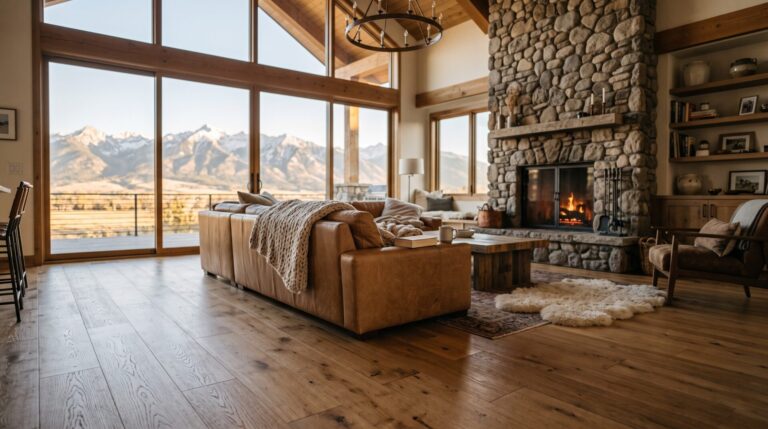
Engineered vs. Solid Hardwood: Which Belongs in a Bozeman Home?
-
- Flooring
August 16, 2026
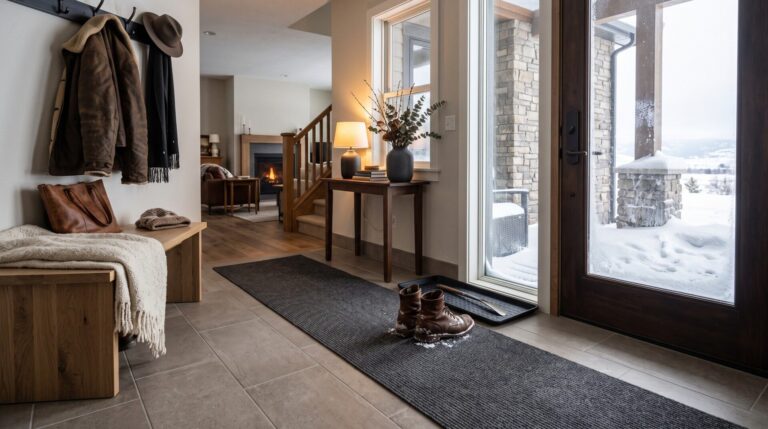
The Best Mudroom and Entryway Flooring for Montana Winters
-
- Flooring
August 12, 2026
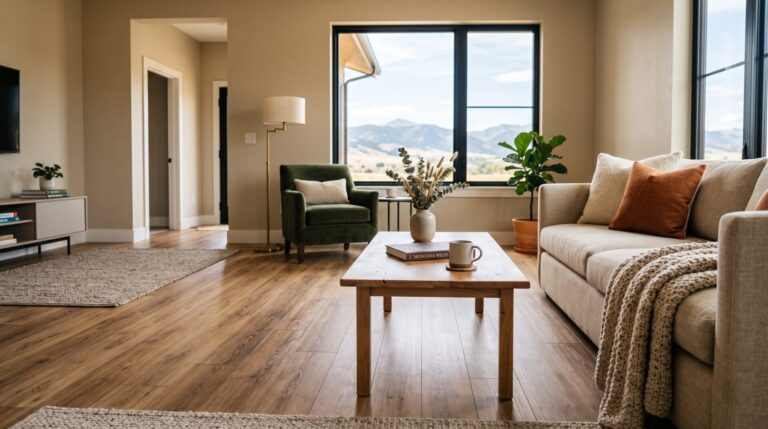
Best Flooring for Rental Properties in Bozeman: A Landlord’s Guide
Looking for Great Flooring Deals & Expert Service?
Save Big With Montana’s Trusted Flooring Experts